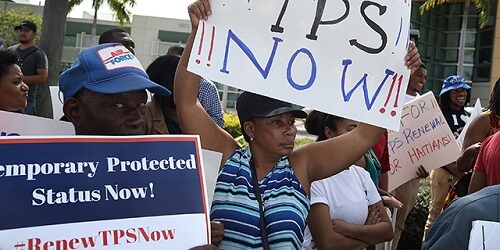
In light of recent TPS designation for Nepal, now is a good time to point out some important facts about this special status that is granted by the Secretary of Homeland Security.
Specifically, the Secretary of Homeland Security can designate a country for TPS when there is armed conflict persisting in that country or when that country has been devastated by an epidemic or environmental disaster, such as an earthquake or tsunami. Other events can also trigger TPS designations so long as they are associated with conditions that are “extraordinary and temporary,” according to USCIS.
Specifically, those who are typically prohibited from being granted TPS include people who have been:
These include (as of July 2015):
Foreign nationals who have been granted TPS will be able to remain in the U.S. (i.e., they cannot be removed or deported) and will be able to work in the country as long as the TPS designation is in effect.
And this process involves completing and submitting certain forms to USCIS, along with the applicable application fee, within the appropriate deadlines. For more details about how to file for TPS, click here.
Do you need help filing for temporary protected status or resolving any immigration issues? If so, you can turn to the Los Angeles immigration attorneys at the Hanlon Law Group, P.C. For more than 15 years, our lawyers have been successfully representing clients in various types of immigration cases, including those that involve the most basic immigration applications to those associated with extremely complicated federal court litigation.
To learn more about our citizenship, immigration and deportation defense services, contact us today by calling (626) 684-3712 or (866) 227-5527 or by emailing us using the form at the upper right-hand side of the screen. From our office in Pasadena, we serve clients throughout the Los Angeles area, across the state of California and from around the world.
We offer free, confidential initial consultations to provide potential clients with expert advice regarding their immigration law needs. Additionally, we are able to provide immigration legal services in various languages, including in Spanish, Mandarin, Cantonese, Vietnamese, Korean, Japanese, Bahasa Indonesian, Tagalog and Fukienese.


